Shop By Category
Featured Stirrers
-
On sale
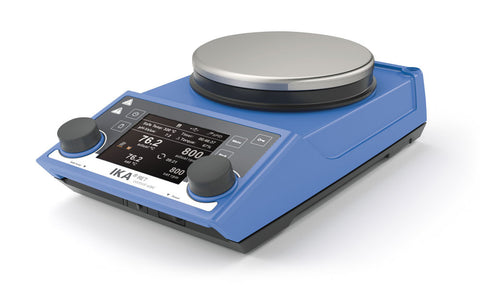
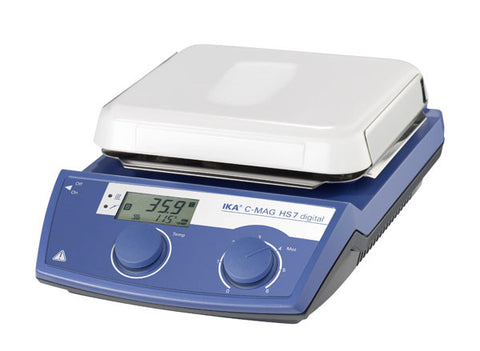
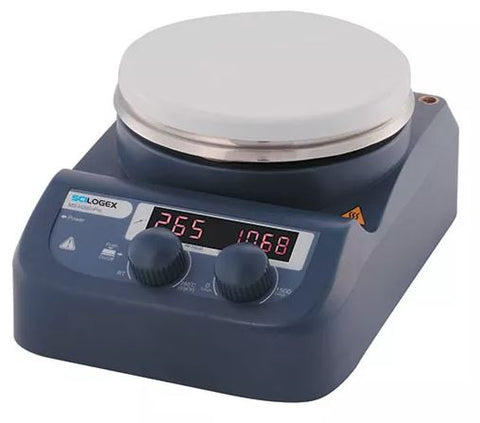 Economically priced LED digital ideal for temperatures below 280°C and 3L
$375 USDfrom $300 USD -
On sale
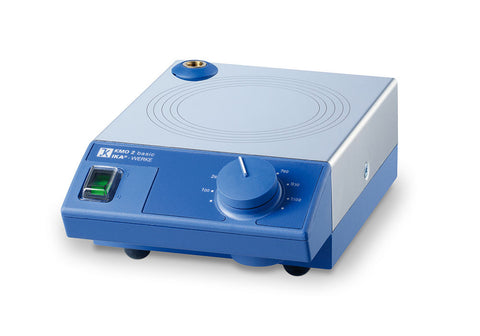
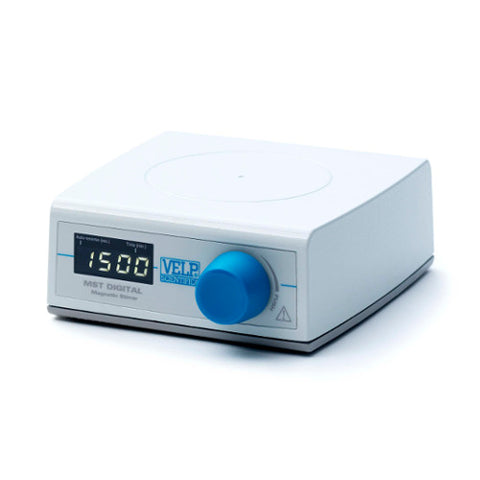 Small and efficient magnetic Analog or Digital stirrers up to 1500rpm and 5L
$129 USDfrom $123 USD -
On sale
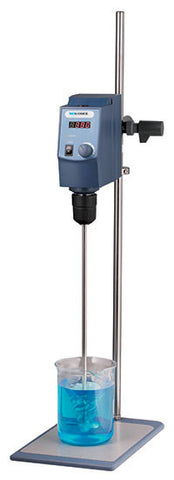 40 Ncm torque 20 L capacity in analog control or digital microprocessor speeds 50 to 2200rpm.
$837 USDfrom $670 USD -
On sale
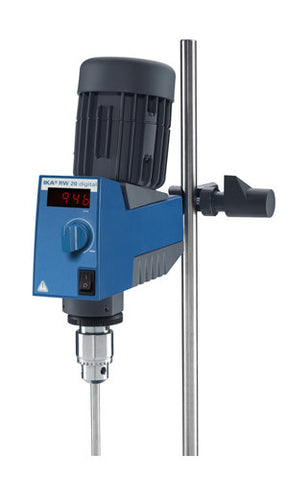
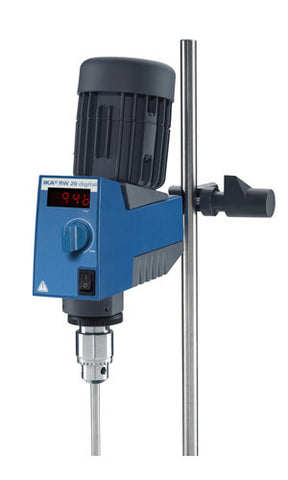 Mechanical model with digital display and 2 speed ranges from 60 - 2,000 rpm up to 15L
$1,345 USD$1,062 USD -
On sale
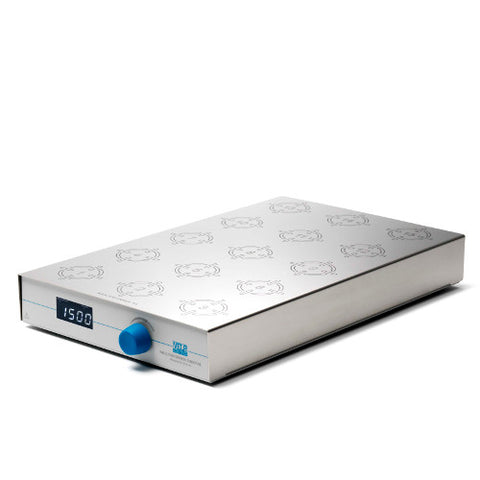 6- or 15-position state of the art stirrer for continuous use.Timer, Reverse Rotation, 80-1500rpm
$1,266 USDfrom $1,203 USD -
On sale
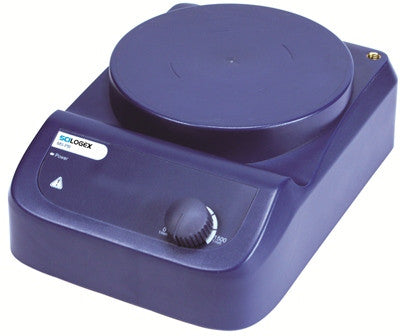 Economy stirrer with ABS plastic plate, high magnetic adhesion, 0-1500rpm
$219 USDfrom $175 USD






New Stirrers
-
On sale
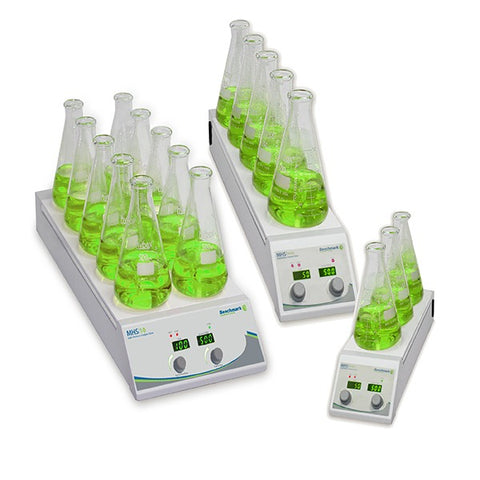 Provides exceptionally uniform 3, 5, or 10 position temperature control 35-120°C, 150-2000 rpm
$999 USDfrom $850 USD -
No sale
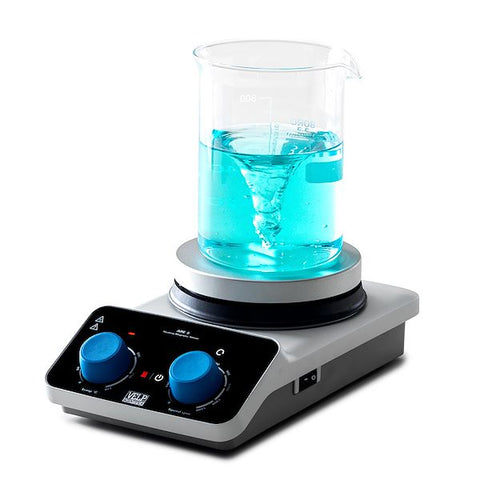 Robust, safe, and powerful. Analog control up to 1500rpm, 15L, and 310°C$520 USD
 -
No sale
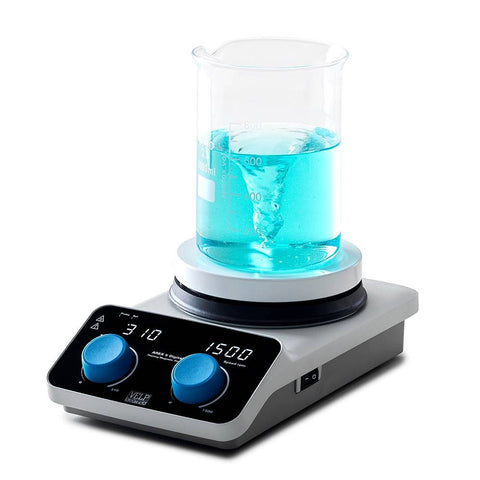 Probe or thermoregulator. Digital control up to 1500rpm, 20L, and 310°Cfrom $732 USD
 -
No sale
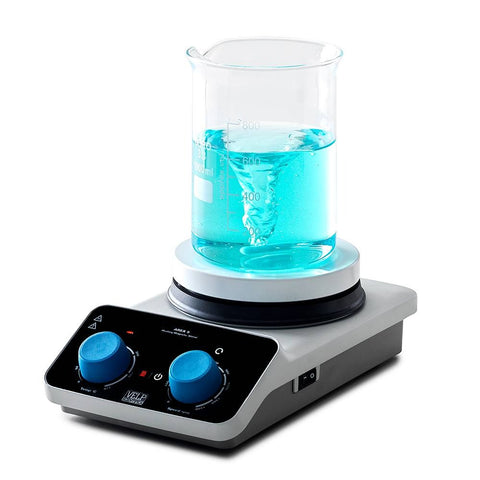 Safe and Powerful. Optional thermoregulator. Analog control up to 1500rpm, 20L, and 310°Cfrom $627 USD




